Quick answer: In 2026, soccer training costs on Long Island commonly range from about $70 to $150 for a one-on-one session and $25 to $95 per player for small-group or semi-private training. The right budget depends on the player’s goal, the amount of individual attention provided, the coach’s experience, facility costs, and whether sessions are purchased individually or as a package.
Price matters, but it should not be the only factor. Families get better value when the training format fits the player’s age, motivation, schedule, and specific development needs. This 2026 parent guide explains what influences soccer training cost on Long Island, what different formats usually cost, and how to compare programs without paying for training your child does not need.
Typical Soccer Training Costs on Long Island in 2026
The ranges below reflect publicly listed rates from Long Island and nearby New York soccer-training providers reviewed in August 2026. They are market estimates, not a quote from every provider. Session length, group size, facility, coach, season, and package commitment can move the final price higher or lower.
| Training format | Common 2026 range | What families are paying for |
|---|---|---|
| Private one-on-one training | $70-$150 per session | Individual attention, direct feedback, personalized priorities, and position-specific detail |
| Semi-private training 2-3 players | $50-$125 per player | Personalized coaching with added competition and shared cost |
| Small-group training 4-8 players | $25-$60 per player | More touches than team practice, game-realistic pressure, and a lower per-player rate |
| Drop-in clinics | $25-$60 per player | Flexible supplemental training without a long-term commitment |
| Camps and seasonal programs | Varies by length and format | Multiple hours or days of coached development; compare the full program, not only the registration fee |
Important: Ask whether the listed price includes field rental, registration fees, evaluations, equipment, video review, or a required membership. A lower advertised rate can become more expensive once add-ons are included.
Why Soccer Training Prices Vary So Much
Two sessions can both last an hour and still provide very different experiences. Long Island families should look beyond the clock and consider what is actually included.
Coach experience and specialization
A coach with advanced licensing, professional or college experience, and a strong track record may charge more. Specialized work—such as goalkeeper training, finishing, position-specific movement, game analysis, or mental performance—can also cost more than a general technical session.
Group size and individual attention
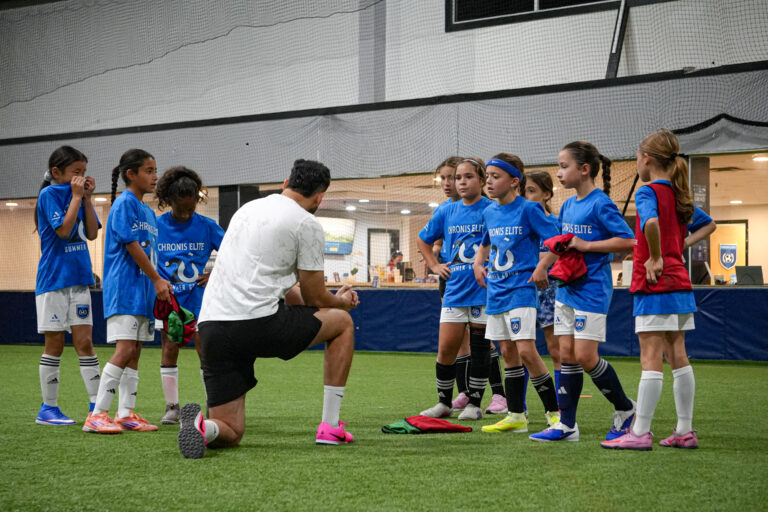
One-on-one training places the entire session around one player, so the price per player is usually highest. Semi-private and small-group formats spread the coaching and facility cost across several families. A well-designed small group can still provide meaningful feedback while adding the pressure and decision-making that are difficult to recreate alone.
Indoor facilities and Long Island location
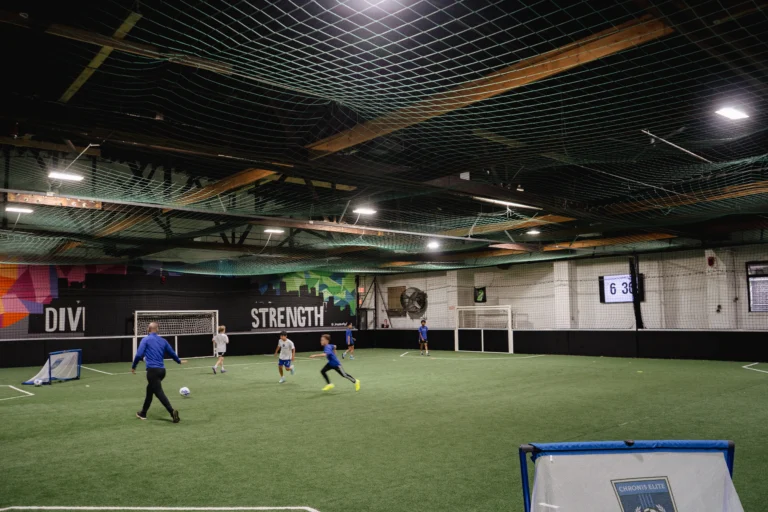
Indoor turf space, especially during winter or peak evening hours, affects program pricing. Rates may also differ across Nassau County, Suffolk County, West Hempstead, and nearby Queens or Long Island City because facility costs and demand are not identical.
Single sessions, packages, and memberships
A single session usually has the highest per-session rate. Multi-session packages or recurring programs may reduce the effective cost, but only save money if the schedule is realistic and the player will attend consistently. Check expiration dates, cancellation rules, and whether unused sessions transfer.
Private Training vs Small-Group Training: Which Gives Better Value?
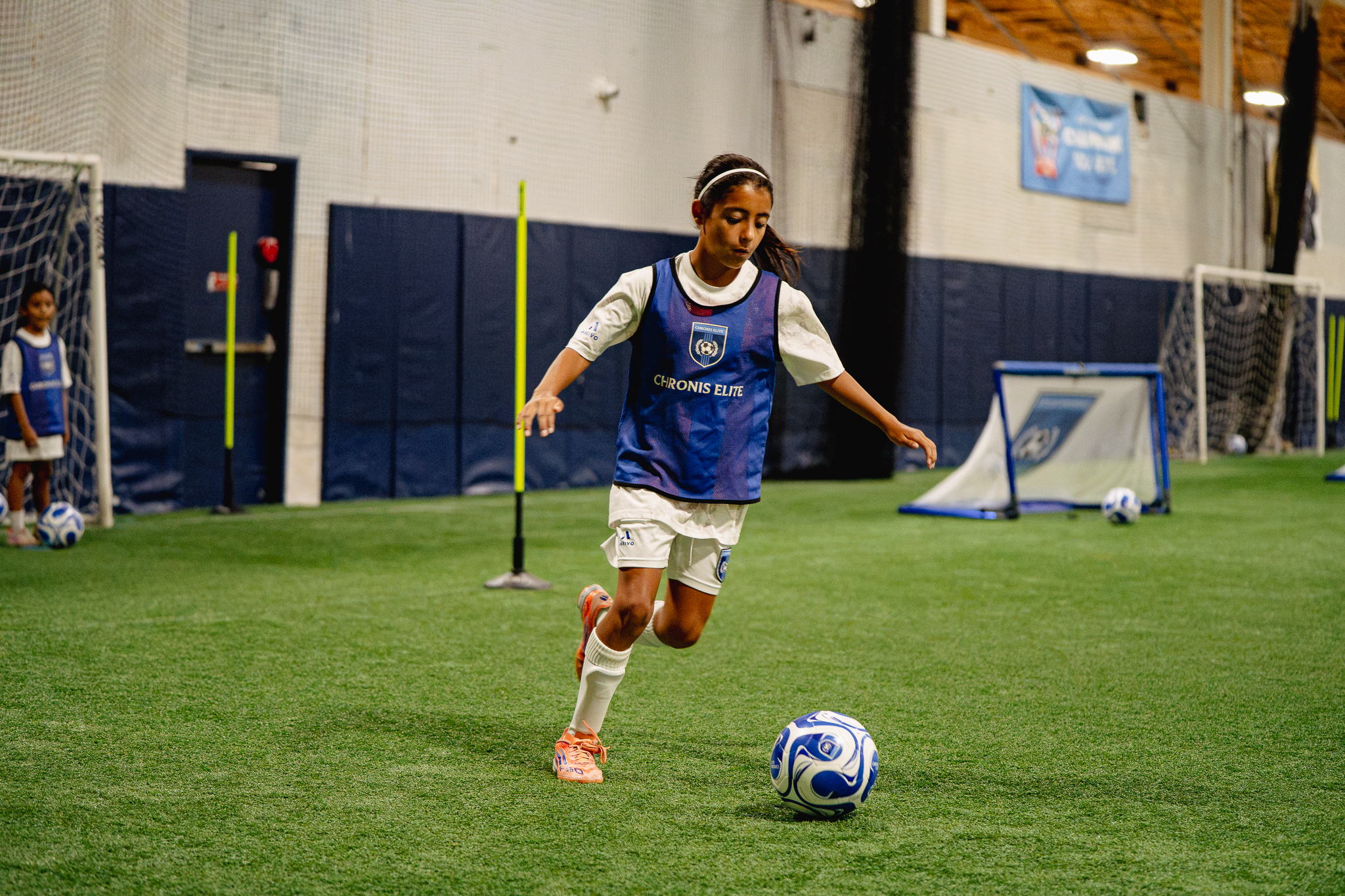
Neither format is automatically better. The best choice depends on what the player needs right now.
- Choose private training when a player has a clearly defined technical or positional need, benefits from direct correction, is returning from time away, or is preparing for a specific challenge.
- Choose semi-private training when two or three players have similar goals and can challenge one another while still receiving close coaching attention.
- Choose small-group training when a player needs more touches, faster decisions, competition, and consistent supplemental development at a lower cost per session.
- Choose a drop-in clinic when the family needs flexibility around club, school, and travel schedules.
Families considering individual coaching can read our guide on whether private soccer training is worth it. You can also compare Chronis Elite’s personal soccer training with its flexible small-group drop-in clinics.
Not sure which format fits your player and budget?
Tell Chronis Elite about your child’s age, current level, schedule, and development goals. Our team can help you compare the available training options across Long Island, Queens, and Westchester.
What a Monthly Soccer Training Budget Can Look Like
Thinking monthly makes it easier to compare supplemental training with the rest of a family’s soccer expenses. Using the typical ranges above:
- Two small-group sessions per month: approximately $50-$120 per player
- Weekly small-group training: approximately $100-$240 per player for four sessions
- Two private sessions per month: approximately $140-$300
- Weekly private training: approximately $280-$600 for four sessions
These figures cover supplemental training only. Club dues, uniforms, tournaments, travel, camps, league fees, footwear, and recovery or performance services may be separate. Before committing, build the full seasonal budget—not just the cost of one lesson.
How to Decide Whether the Cost Is Worth It
The best value is not always the cheapest session or the coach with the biggest social-media following. Look for evidence that the training is purposeful and appropriate for your child.
- Start with a clear need. “Get better at soccer” is too broad. A useful goal might involve first touch under pressure, weaker-foot confidence, finishing decisions, scanning, speed mechanics, or position-specific movement.
- Ask how the coach will assess progress. Parents should understand what the coach is observing, what will be trained, and how improvement will be reviewed.
- Evaluate coaching quality, not drill complexity. Good sessions connect technical work to realistic decisions and match situations.
- Watch the player’s engagement. More sessions are not automatically better. The player should be motivated, challenged, and able to recover around team training and matches.
- Review after a short training block. After several sessions, ask what has improved, what still needs work, and whether the format should continue or change.
How Families Can Control Costs Without Sacrificing Development
- Use private sessions for a specific need rather than making them the automatic weekly choice.
- Create a semi-private group with teammates who have similar ages, ability levels, and goals.
- Combine occasional one-on-one coaching with regular small-group training.
- Choose flexible clinics during busy club periods instead of paying for sessions the player may miss.
- Ask about package pricing only after confirming the coach and format are a good fit.
- Support paid coaching with free ball work, pickup play, match watching, sleep, and recovery.
Chronis Elite offers several youth soccer training programs, including personal training, small groups, camps, game analysis, and mental skills work. The goal is to match the service to the player rather than sell every family the most expensive option.
Questions to Ask Before Paying for Soccer Training
- What is the player-to-coach ratio?
- How long is each session, and how much active training time will the player receive?
- What specific development needs will the session address?
- Does the price include the facility, evaluation, equipment, video, or follow-up feedback?
- Are there package expiration dates, membership requirements, or cancellation fees?
- How will progress be reviewed with the player and parent?
- How will the training complement the player’s existing club schedule?
Frequently Asked Questions About Soccer Training Costs
How much does private soccer training cost on Long Island?
In 2026, many publicly listed private soccer sessions in the Long Island and nearby New York market fall between about $70 and $150 per session. Packages may reduce the per-session cost. Coach experience, facility, session length, location, and specialization all affect the final rate.
Is small-group soccer training cheaper than private training?
Usually. Small-group training often ranges from about $25 to $60 per player, while semi-private formats with two or three players may cost roughly $50 to $125 per player. The group format spreads the coaching and facility cost across several families.
Do soccer-training packages save money?
They can lower the effective per-session price, but only when the player can attend consistently. Before buying a package, check the expiration date, rescheduling policy, refund terms, coach availability, and whether sessions can transfer to another program or player.
How often should a child receive supplemental soccer training?
There is no universal schedule. Some players benefit from one focused session every week, while others need only a short block before tryouts or occasional support around team training. Age, motivation, total workload, match schedule, and the development goal should guide frequency.
What is the best-value option for a young player?
For many young players, a well-coached small group offers a strong balance of individual touches, competition, decision-making, social development, and affordability. Private training provides better value when the child has a specific need that requires concentrated attention.
Find the right training investment for your player
Chronis Elite develops players ages 5 to 17 through purposeful personal and small-group soccer training across Long Island, Queens, and Westchester. Contact our team for current pricing, availability, and help choosing the right next step.
Pricing note: Market ranges were reviewed in August 2026 and may change. Contact each provider directly for current rates, package terms, and availability.